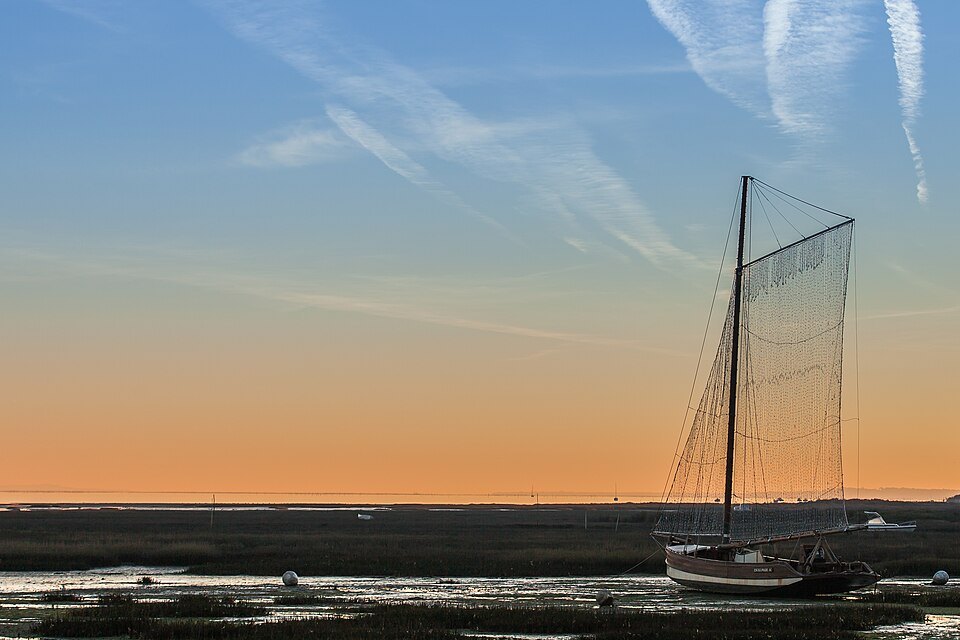
Outings at the rhythm of the tides
A guided discovery of landscapes transformed by water.
The tide uncovers mudflats, draws channels and changes the view within hours. With a guide, learn to read marks in the sand, seagrass and the movement of birds: a lesson in living geography.
Currents can be strong and water returns quickly in some places. Check tide times and weather, stay on marked routes and never cross channels.
Reading the shoreline
A low-tide outing reveals channels, marks left by water and places where birds feed. With a naturalist guide, each detail becomes a clue: the texture of the ground, plants, shells and the shape of sandbanks. It is a practical way to understand how the bay works.
Safety comes first
Check tide tables and weather before setting out and leave a generous margin for the return. Channels can fill quickly; never cross them or head onto the foreshore alone. If you are new to the area, choose a guided outing.
Learn to read the signs
A guided walk can make the foreshore feel like a field notebook. Small ridges show where water has passed; shells and plant fragments collect along changing lines; birds reveal where food is available. The guide’s role is not only to name things, but to connect these details to the tide and the larger shape of the bay. Ask questions and leave time to look closely rather than covering a long distance.
Choose an outing with a clearly stated meeting point, duration and plan for changing conditions. Wear shoes suitable for wet or uneven ground and bring water and weather protection. Keep the group together, follow the guide’s instructions and turn back when advised. The shoreline is beautiful precisely because it is dynamic, and it deserves a margin of caution.
Why a guide matters
The foreshore can look empty to an untrained eye, even when it is full of clues. A naturalist can point out how water has shaped the ground, where plants mark a boundary and why birds gather in particular places. The value lies in learning a way to look that you can carry with you on later walks, not in trying to collect a long list of facts.
Ask in advance what clothing and footwear the outing requires, and whether the route is suitable for everyone in your group. Tide and weather influence the experience, so a responsible operator may adjust or cancel a walk. Treat that flexibility as part of the safety plan. Arrive prepared to listen, move at the group’s pace and leave the shoreline as you found it.
Official visitor information and planning: visit the official website.