The stilt cabins of Bird Island
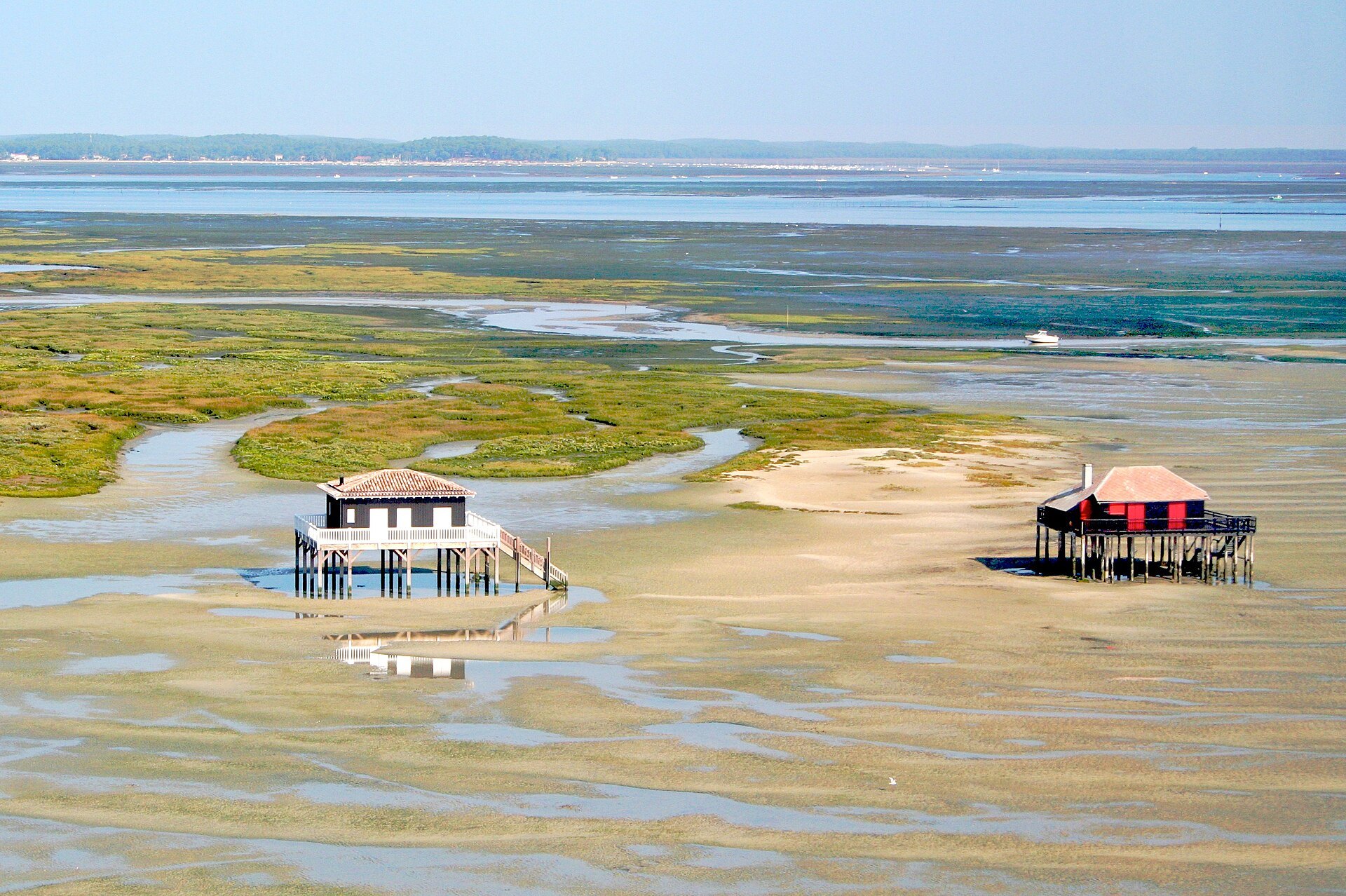
Perched cabins, emblems of an island shaped by the tides.
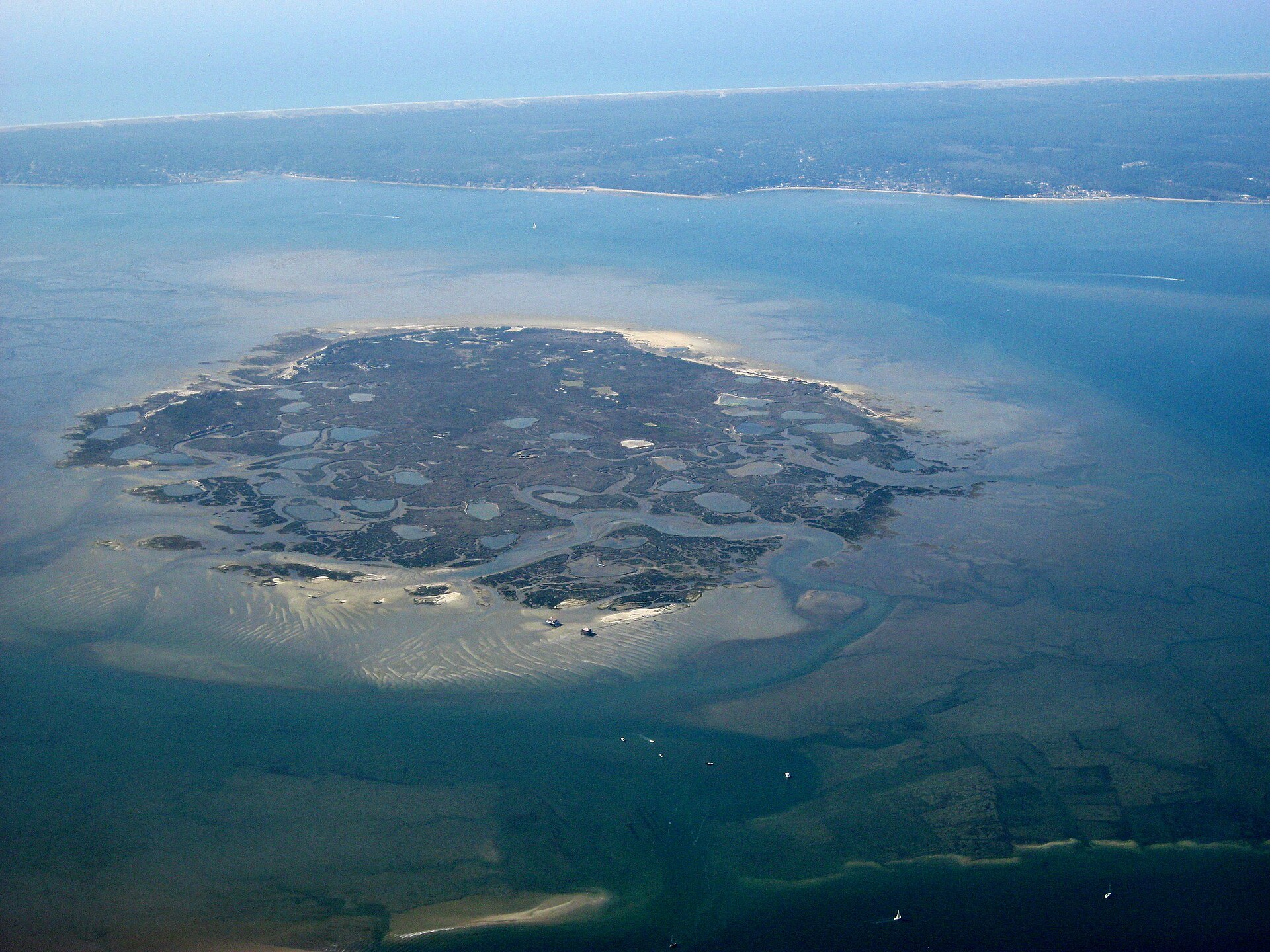
At the centre of the bay, Bird Island is best discovered from the water. Its stilt cabins have become a familiar landmark. “Tchanqué” comes from Gascon and means perched.
Nearby mudflats are sensitive wildlife habitat. Approach by boat without landing in protected areas, follow the skipper’s instructions and watch the view change with the tide.
An island surrounded by water
The view changes depending on whether the mudflats are covered or exposed. At low tide, channels and oyster beds draw lines across the sand; as water returns, birds gather on the remaining exposed ground. The cabins give this shifting scene a familiar point of reference.
Looking without disturbing
A guided boat trip can explain the oyster-farming structures and the bay’s landscape while keeping visitors at a respectful distance from birds. Landing points and restrictions depend on current rules: follow the skipper’s and site managers’ instructions.
A fixed landmark in a shifting view
The cabins are memorable partly because everything around them changes. At one tide they seem to stand above broad stretches of exposed sand; later, water closes around the pilings and the island feels more distant. Their familiar outline helps orient a visitor, but the wider view includes oyster beds, channels and the many shallow surfaces that make the bay distinctive.
The best photographs usually come from allowing the boat and the light to do the work. Avoid asking a skipper to approach too closely for a picture, and follow guidance about where landing is allowed. The cabins are working structures and part of a living landscape, so observe from the permitted route and leave the quieter spaces to wildlife.
More than a postcard view
The cabins are an emblem of the bay, but a visit gains depth when you look beyond their outline. Notice the relationship between the structures, the shallows and the distant shore. The island’s apparent size and distance change with the water, while channels divide and reconnect the view. What seems like open space from afar is a complex landscape shaped by tides and human activity.
A boat trip is an opportunity to learn how the bay is used as well as how it looks. Listen to the skipper’s explanation, and keep questions for moments when it is safe and convenient to ask. Follow rules about protected areas and landings even if a spot appears empty. The memory of the place should include the quiet that allows birds and other wildlife to remain there.
Official visitor information and planning: visit the official website.