Oyster villages and small harbours
Huts and oyster beds reveal the working life of the bay.
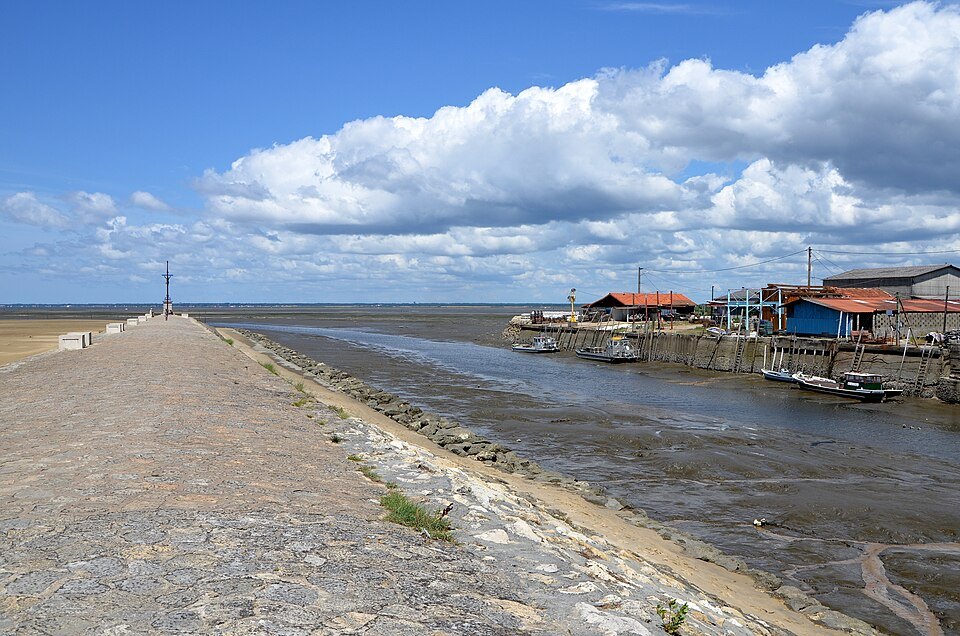
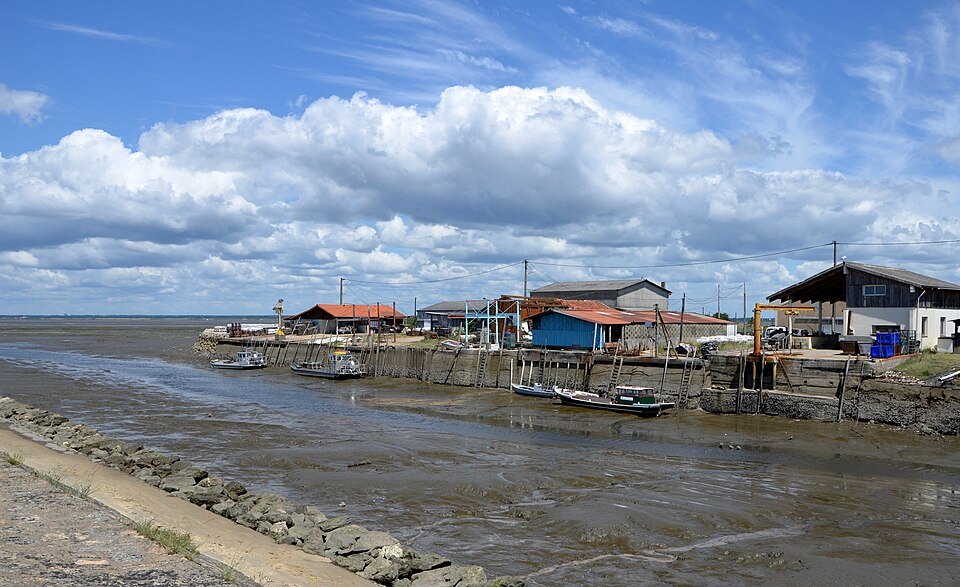
Along the shore, work huts, pontoons and pinasses speak of an industry central to local life. In Gujan-Mestras, La Teste, Audenge and on the peninsula, each harbour has its own story and relationship with the tide.
Keep oyster-bed and pontoon access clear, ask before photographing people, and choose producers who welcome visitors. Check opening times directly with the huts.
Watching a working harbour
Oyster harbours are workplaces as well as places to wander. Look for the huts, boats suited to shallow water and equipment used in oyster farming. Tides shape the day’s work and access to pontoons, so a harbour can look very different a few hours later.
Taste with curiosity
When a hut welcomes visitors, ask what oysters are available and how the producer presents them. Openings and tastings vary by place and season. Respect work areas, leave equipment alone and keep access clear for local professionals.
The working rhythm of the shore
A harbour is easiest to understand when you give it time. Boats may sit close to the mud at one tide and float freely at another; equipment, pontoons and access routes make more sense when viewed as part of a daily routine. The huts are not simply picturesque façades. They belong to an active trade, and the people moving through the harbour may be working even when the place feels quiet.
When a producer welcomes visitors, buying directly or asking a simple question can be a good way to learn about the area. Do not enter private work spaces or handle tools, and ask before taking photographs of people. If you plan a tasting, check whether it is offered that day rather than assuming every hut is open.
See the place as a workplace
The most distinctive details are often practical ones: a boat designed for shallow water, a working pontoon or the arrangement of equipment beside a hut. These details tell a story about adapting to the bay’s tides and conditions. They also remind visitors that the harbour is not a set designed for them; everyday work continues around any public-facing tasting or visit.
Choose a public viewpoint and take time to watch how people move through the harbour without getting in their way. If a producer is available, a purchase is a direct way to support local work. Do not assume that every hut serves visitors, and avoid leaving a car or bicycle where it blocks access. A thoughtful visit makes room for both curiosity and routine.
Official visitor information and planning: visit the official website.