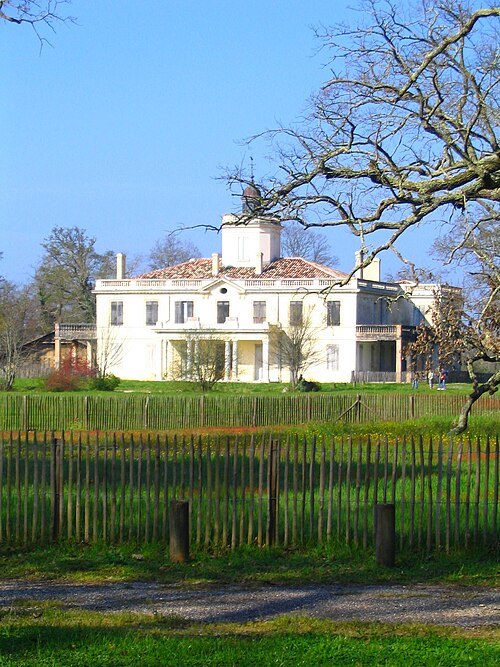
The Certes and Graveyron Estate
Dykes, meadows and salt marshes: a landscape shaped by water.
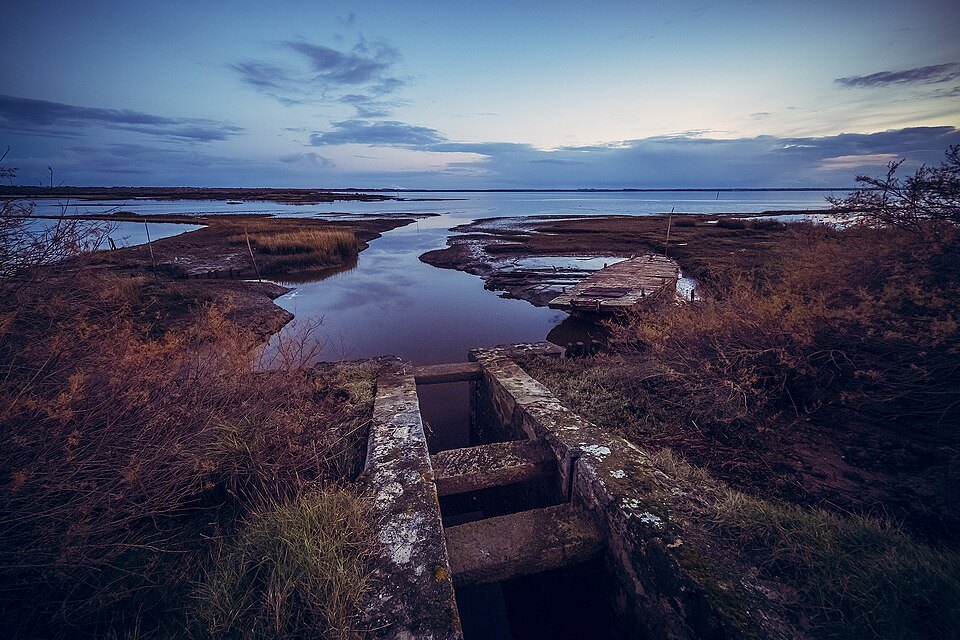
At Audenge, these estates tell a story of fresh water meeting salt water, and of the activities that shaped the land. Dykes, former fish ponds, wet meadows and salt marshes now form an area where birds find shelter.
Walking paths invite exploration, provided you respect closed areas and wildlife. Plan ahead, carry water and check access conditions. Naturalist visits are sometimes offered.
A landscape shaped by people and water
Dykes and ponds recall earlier uses of the land, while salt meadows and wet grasslands now shelter many birds. The meeting of fresh and salt water shapes plants and soils. Walking the paths reveals how human history and natural cycles overlap.
Walking gently
Allow enough time to move at your own pace, pause and observe. Paths can be exposed to sun and wind, so bring water and suitable clothing. Stay on open routes. A guided naturalist walk can add context to the landscape.
Read the traces in the landscape
The dykes make the estates legible on foot. They mark edges between water and land and offer changing views across ponds, wet grass and marsh. Some of these forms reflect earlier ways of working the site; today, the same varied conditions support wildlife. The landscape is therefore neither untouched nor frozen in the past: it continues to change through water, weather and careful management.
Pause at transitions rather than rushing from one viewpoint to the next. Notice where the ground becomes wetter, where reeds gather and where open water holds the sky. These small differences help explain why a walk here can feel varied even when the route is quiet. Keep to open paths and let the reserve’s signs guide where you stop.
A place to revisit in another season
The estates do not offer a single fixed view. Water levels, grasses and bird activity shift through the year, changing what stands out along the paths. A visit in different weather can also make the dykes and ponds easier to read: reflections emphasise the water, while a bright, open day brings the edges of the meadows into focus. There is no need to cover every path in one outing.
If you meet a guided walk, it can add context to features that might otherwise look like ordinary banks or pools. Keep a respectful distance from wildlife and avoid disturbing plants or the water’s edge. The best souvenir may be a clearer sense of how people have worked with this landscape and how it continues to support life.
Official visitor information and planning: visit the official website.